Insights
The Long Tail of Commerce: What Shopify Data Means for Niche DTC Brands
Shopify data shows long-tail categories drive most GMV. Three stats on niche DTC growth and how to make your catalog agent-readable.


Shopify's data team published a new analysis on the long tail of commerce. The headline: categories outside the top 100 by gross merchandise volume now account for most sales on Shopify, and they are growing faster than mainstream categories.
For brands with a focused catalog, this is validation, not a pivot. Niche is where the platform's growth is. The practical question is whether your product data and storefront make that specificity easy to find, especially as more discovery moves through AI channels.
Full analysis: shopify.com/news/entrepreneurs-outselling-mainstream (Nell Thomas, VP of Data Science, May 2026).
The mainstream is now the minority
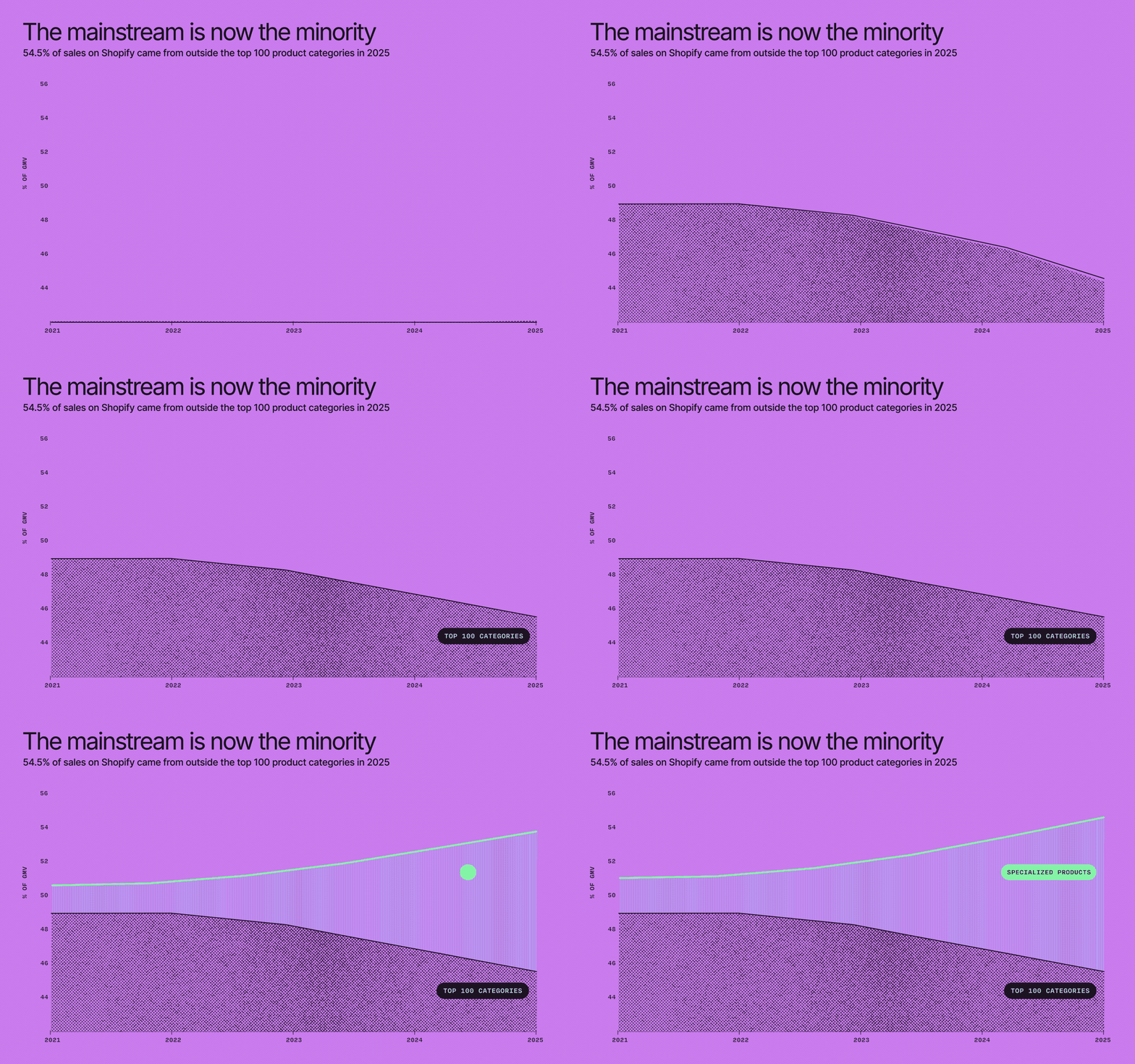
Long-tail categories (outside the top 100 by GMV) drove 55% of Shopify sales in 2025 and continue to outgrow mainstream categories. Sports trading cards are one example Shopify cites: store count grew more than 6x from 2021 to 2025, turning a hobby corner into a $500M+ category.
"Niche" no longer means limited. These are businesses built around one specific product for one specific audience, not mass-market brands fighting for shelf space.
One product is enough to start
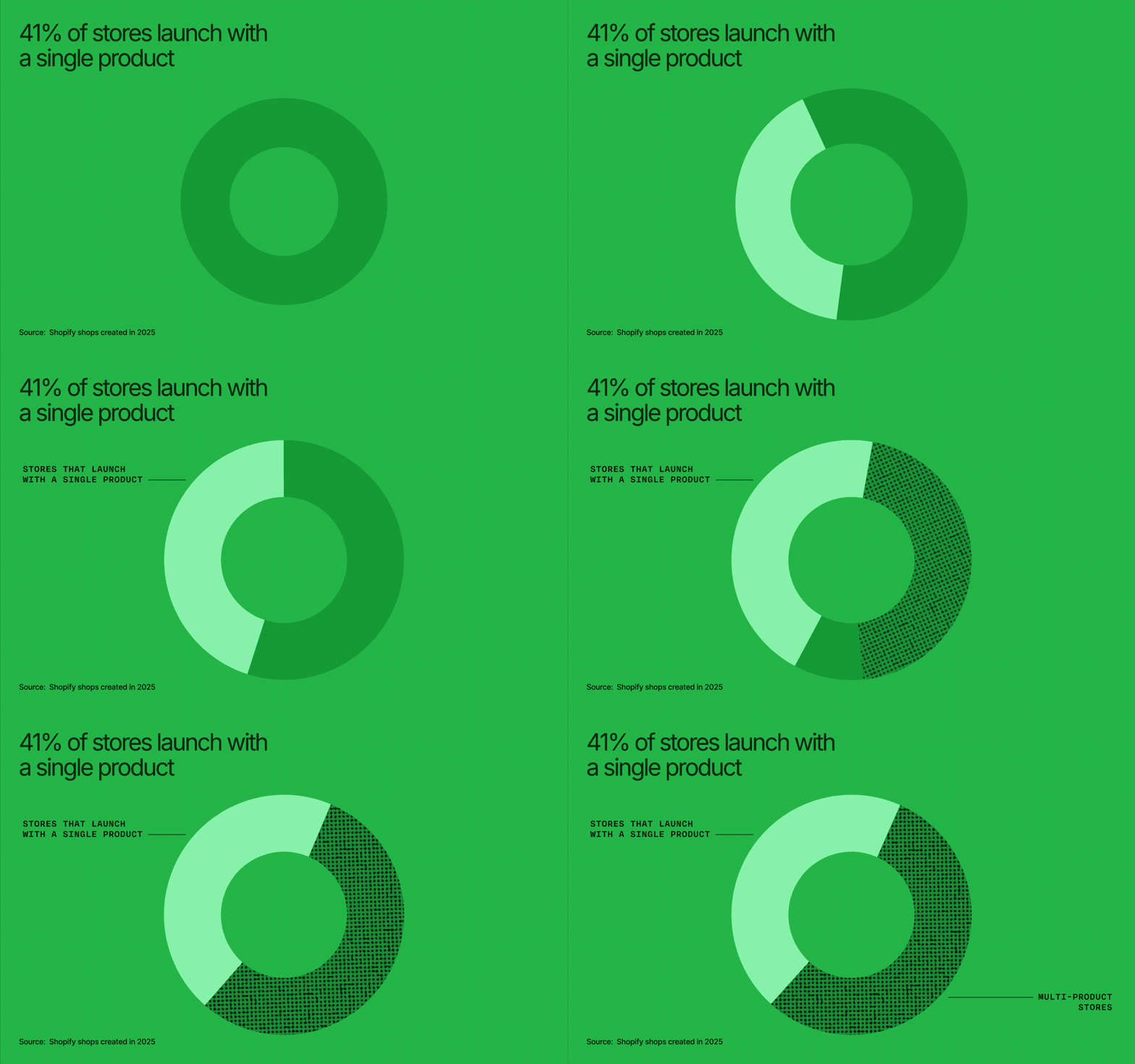
41% of new Shopify stores launch with a single product. Nearly 54% of stores created in 2025 sit in long-tail categories. Starting narrow is normal. Expansion should follow once the hero SKU is legible and converting, not because a small catalog feels embarrassing.
AI favors the specialist
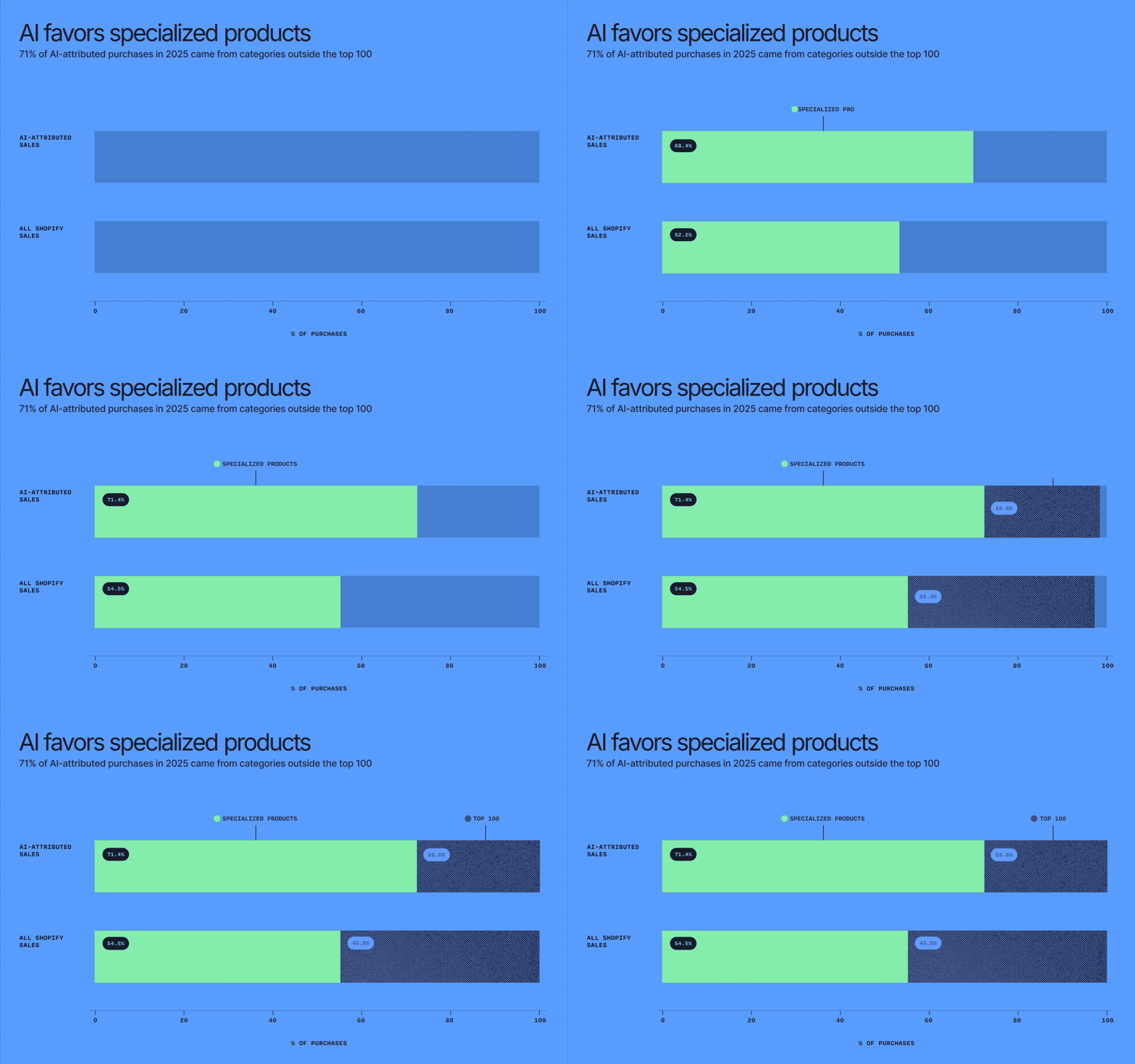
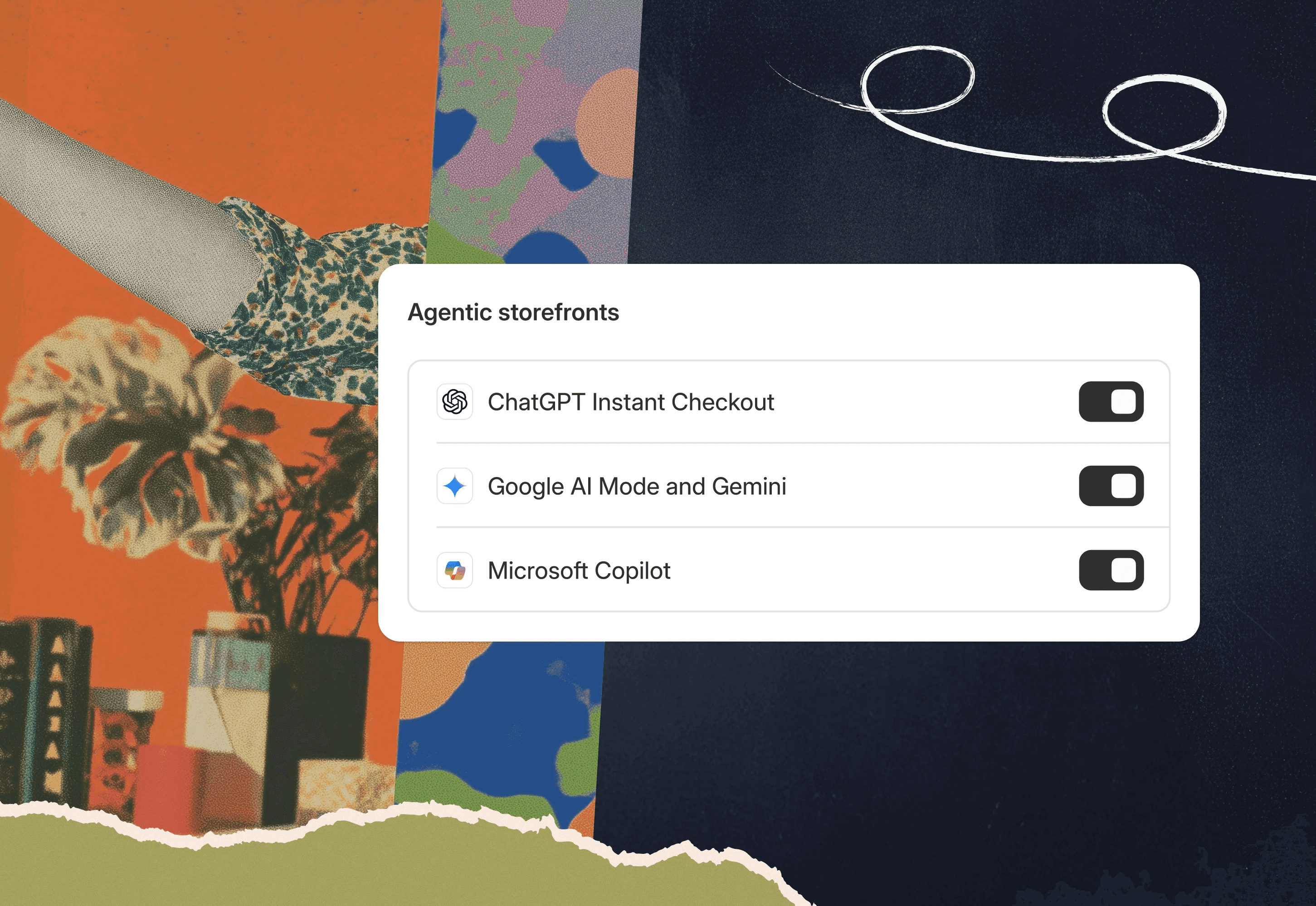
71% of AI-attributed orders in 2025 came from long-tail categories. Search rewards popularity. AI agents reward relevance. When a shopper asks for the best kite for flying without wind, the agent finds the specialist, not the bestseller.
That shifts the catalog work from broad appeal to clear answers:
Titles that say what the product is, not just the brand name
Descriptions written for comparison, not hype
Complete variant and metafield data for follow-up questions
Reviews that describe the product in language future buyers will search for
What to check on your store
Name the category before the offer. Emerging categories still need education on the homepage and PDP. Brand-first layouts lose first-time visitors who do not yet know what you sell.
Audit your hero SKU for agent readability. If an AI cannot infer who the product is for from your title, description, and variants, rewrite before you add SKUs.
Surface proof where decisions happen. Put UGC and specific reviews near the buy box, not only at the page bottom.
Specificity is becoming a discovery strategy. If the idea feels too small or too weird for the mainstream, Shopify's data suggests the constraint is execution clarity, not market size.